When we planned a family trip to Europe, I imagined long walks through old streets with my baby happily sitting in the stroller. Reality was a little different. My baby wasn’t walking yet and got tired of being in the stroller after a while. What they wanted was to be close to me, see everything, and sleep wherever we were.
That’s when our baby carrier became the most useful thing we packed.
I traveled with the Ergobaby Omni Breeze, and here’s exactly how it helped, plus what to look for if you’re choosing a carrier for your own trip.
Quick verdict: For travel, I’d choose a carrier that’s breathable and has several carrying positions. The Ergobaby Omni Breeze checked both boxes for us, from airports to sightseeing to naps in new places.
Why I Brought a Carrier (Not Just a Stroller)
A stroller is great for some moments, but on a trip, a carrier solved problems the stroller couldn’t:
- My baby got tired of the stroller. In the carrier, close to me, they were calmer and happier for much longer.
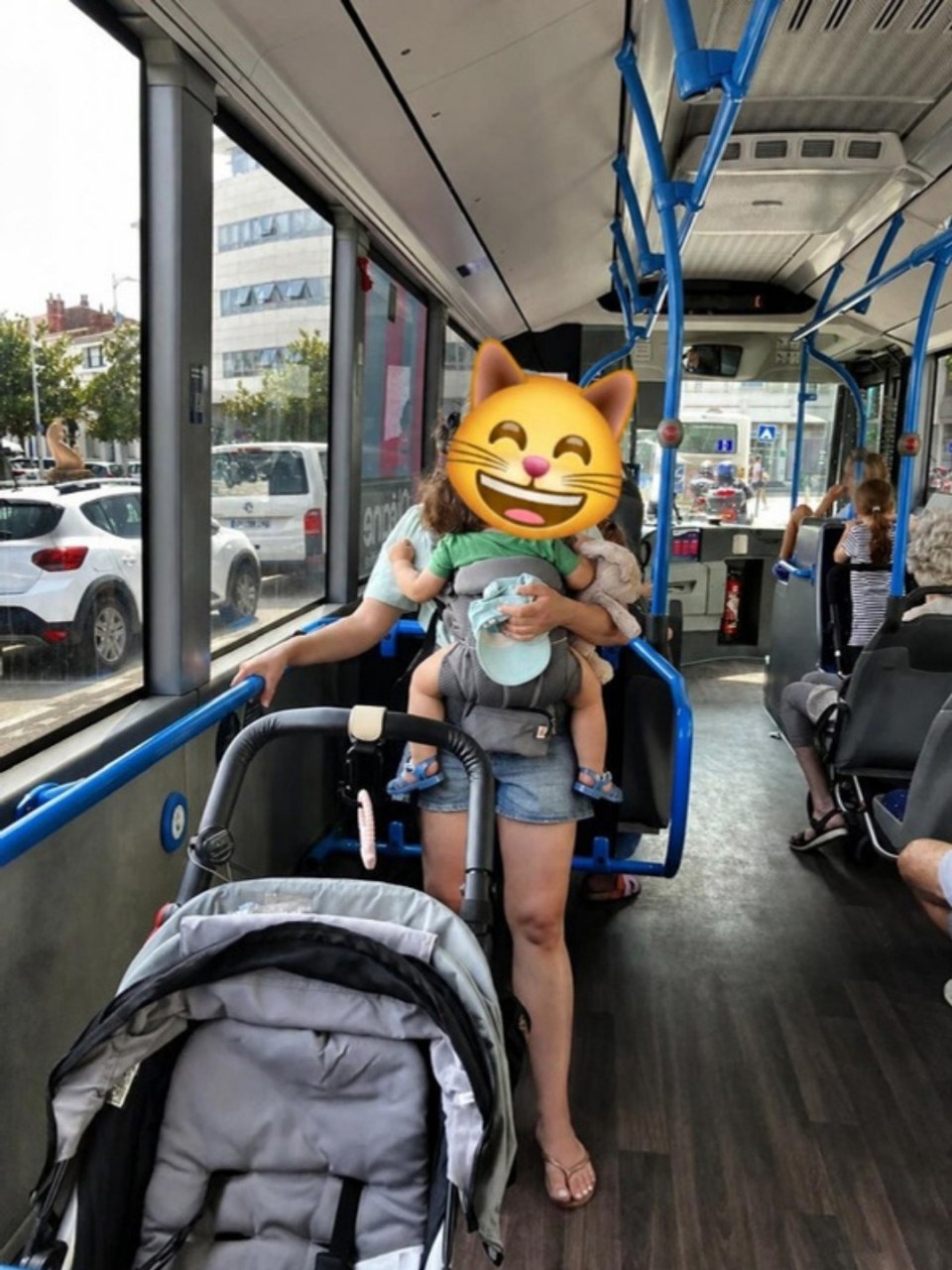
- Cobblestones, stairs and crowds. Many old European streets, metro stations and museums aren’t stroller-friendly. With a carrier, you just walk.
- Hands free for tickets, maps, coffee or holding another hand.
How the Carrier Helped Us on the Trip
1. Seeing the sights together
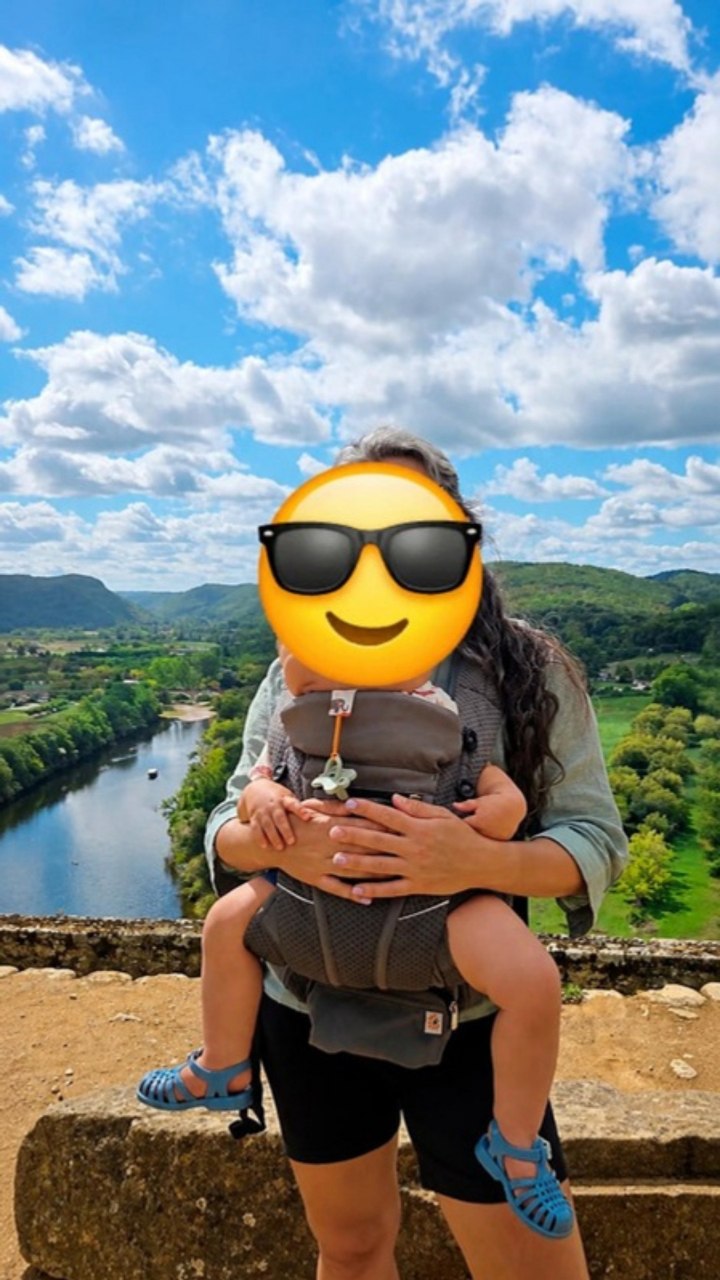
The Omni Breeze has several carrying positions. When my baby was curious and awake, I used the facing-out position so they could see the views. When they wanted comfort, I switched to facing in, and on long walks, I could carry them on my back.
⚠️ Important: young babies shouldn’t face out. Little babies should always ride facing in, toward you, for two reasons:
- Overstimulation. Facing out, a small baby can’t turn away from all the noise, lights and people. Facing you, they can rest their head on your chest and “switch off” when it’s too much.
- Body position. Young babies don’t have enough head and neck control yet, and facing in keeps their hips and spine in a more natural position (knees higher than the bottom, in an “M” shape).
Most carriers allow facing out only from around 5 to 6 months, once your baby has strong head and neck control, and even then for short periods. Always follow your carrier’s manual.
2. Getting through airports and boarding planes
Boarding a plane with a baby, bags and documents is a lot. With my baby in the carrier, I had both hands free to show our passes, carry our things and find our seats. It made boarding so much easier.
Good to know: airlines usually ask you to take your baby out of the carrier for takeoff and landing. Check your airline’s rules before you fly.
3. Naps in new places
Every few days we were in a different place, and new rooms can make it hard for a baby to fall asleep. The carrier became our secret weapon: close to me, with my movement, my baby fell asleep much more easily. It also worked for naps on the go while we kept exploring.
4. Staying cool
I chose a carrier made of breathable mesh fabric on purpose. When you walk all day, both you and your baby get warm, and breathable fabric makes a big difference.
Ergobaby Omni Breeze: The Carrier I Traveled With
| Ergobaby Omni Breeze | |
|---|---|
| Fabric | Breathable mesh |
| Positions | 4: facing in, facing out, hip and back |
| Age and weight | Newborn to toddler (about 7 to 45 lb) |
| Extras | Removable storage pocket and a hood for sun, privacy or naps |
| Care | Machine washable |
Specs from Ergobaby’s Amazon listing.
What I loved for travel:
- Breathable fabric for long days of walking
- Different positions for looking at the views, sleeping or riding on my back
- Hands free at airports and on planes
- It helped my baby fall asleep anywhere
Keep in mind:
- It’s a structured carrier, so it takes up a bit of space in your luggage. Wearing it on travel days solves that.
- Practice at home before your trip, especially the back carry.
Another Option: BabyBjörn Baby Carrier One
If you’re comparing carriers, the BabyBjörn Baby Carrier One is another popular choice with 4 positions, from newborn to toddler. I haven’t traveled with it, but you can read my full review of the BabyBjörn Baby Carrier One.
What to Look for in a Travel Baby Carrier
- Breathable fabric. Mesh is cooler for long days and warm weather.
- Several positions. Facing in for little babies and naps, facing out for older curious babies, and a back carry for longer walks.
- Good waist and back support. You’ll wear it for hours.
- Easy to put on alone. At airports and train stations, you won’t always have help.
- A sun hood. Useful for sunny days and for naps on the go.
My Tips for Traveling With a Baby Carrier
- Wear it on travel days instead of packing it. It’s one less thing in your bag, and it’s ready when you need it.
- Use it for naps in new places: close to you, babies settle more easily.
- Keep the stroller for some moments and the carrier for others. Together, they make a great team.
- Follow safe babywearing: you should always see your baby’s face, their chin should be off their chest, and they should sit snug and close enough to kiss.
Frequently Asked Questions
Is a baby carrier better than a stroller for travel? For us, the best combination was both. But if you can only bring one for a city trip with cobblestones, stairs and public transport, a carrier is often easier.
Can I wear my baby in the carrier on the plane? You can usually wear your baby while boarding and walking around the cabin, but most airlines ask you to take your baby out for takeoff and landing. Check your airline’s rules.
What’s the best position for sightseeing? Facing out works for curious babies only once they’re old enough (usually around 5 to 6 months, with strong head and neck control), and for short periods. Younger babies should always face in, toward you, to avoid overstimulation and to keep their body in a healthy position. When an older baby gets tired or overstimulated, switch back to facing in.
The Bottom Line
Our trip to Europe wouldn’t have been the same without our baby carrier. It made planes easier, helped my baby sleep in every new place, and let us explore together, with my baby close to me and seeing the world. If you’re planning a trip with a baby who isn’t walking yet, I’d put a breathable carrier with several positions at the top of your packing list.

Written by Raf’s Mom
Baby and mom gear from real experience. Dog guides built from vet advice and owner reviews.